Sustainable Urban Design: Building the Cities of Tomorrow
This article explores the principles of sustainable urban design, emphasizing the importance of eco-friendly practices and innovative solutions for future cities.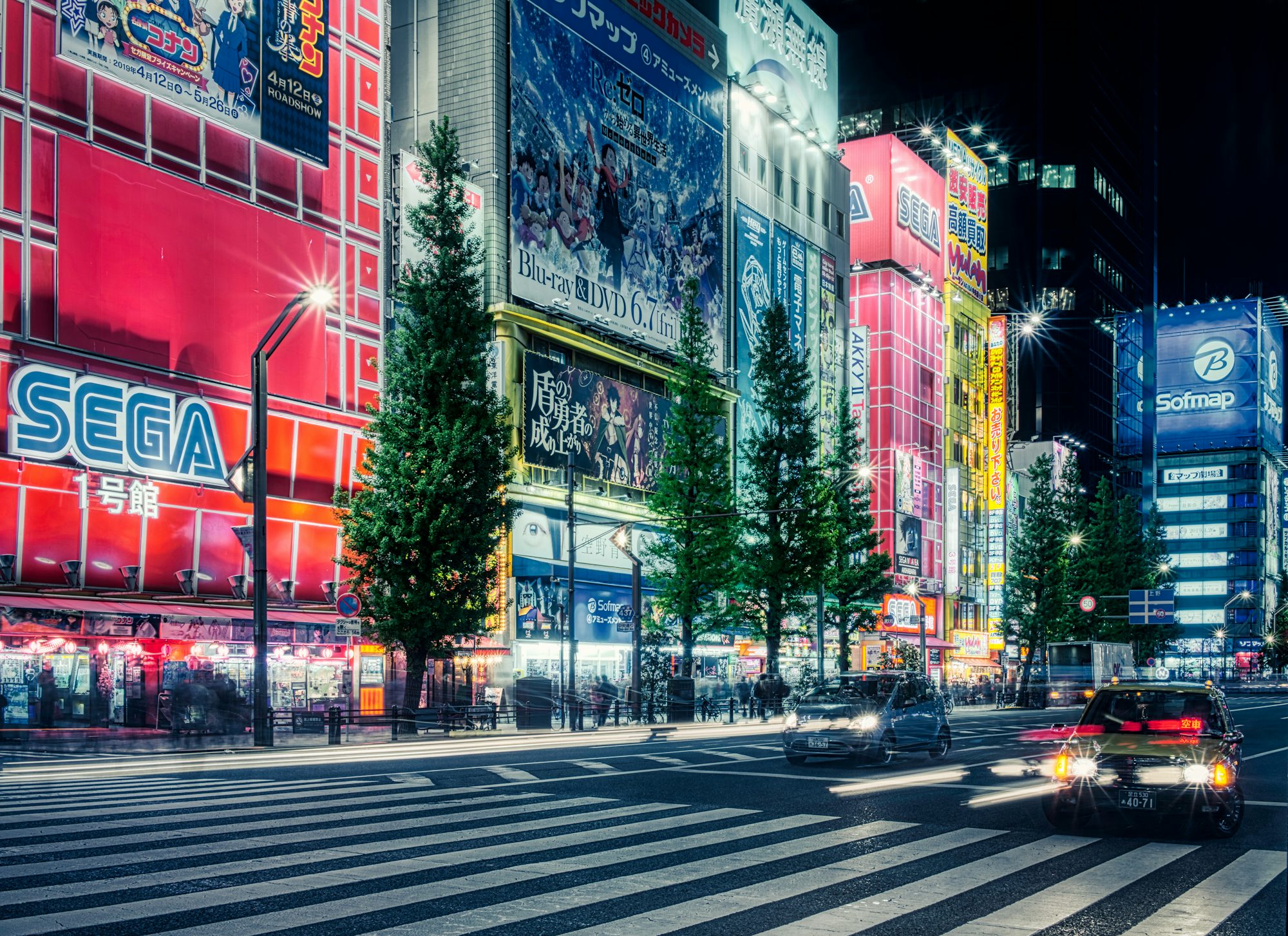
Sustainable urban design is rooted in the idea that cities should meet the needs of the present without compromising the ability of future generations to meet their own needs. This involves a holistic approach that considers environmental, social, and economic factors in the planning and development process. One of the key components of sustainable urban design is the emphasis on green infrastructure. By integrating natural systems into urban environments, cities can enhance biodiversity, improve air quality, and manage stormwater more effectively.
Green roofs, urban parks, and permeable pavement are just a few examples of how green infrastructure can be incorporated into city planning. These features not only provide aesthetic benefits but also serve practical purposes. Green roofs, for instance, can reduce heat island effects, lower energy consumption for cooling, and create habitats for local wildlife. Urban parks offer recreational opportunities and promote community well-being, while permeable surfaces help recharge groundwater and reduce flooding risks.
Another important aspect of sustainable urban design is transportation. Traditional urban planning often prioritizes automobile travel, leading to traffic congestion, air pollution, and urban sprawl. In contrast, sustainable design promotes walkability, cycling, and public transit as viable transportation options. Creating mixed-use neighborhoods that integrate residential, commercial, and recreational spaces encourages residents to walk or bike to their destinations, reducing reliance on cars.
Public transit systems play a vital role in sustainable urban design by providing efficient and accessible transportation options. Cities that invest in robust public transit networks can significantly reduce greenhouse gas emissions and improve overall air quality. Additionally, transit-oriented development (TOD) focuses on creating compact, walkable communities around public transport hubs, maximizing accessibility and reducing the need for extensive car travel.
The social aspect of sustainable urban design cannot be overlooked. Inclusive design practices ensure that all community members, regardless of age, ability, or socioeconomic status, can access essential services and amenities. This includes affordable housing, accessible public spaces, and community resources that cater to diverse populations. Engaging local communities in the planning process is crucial for creating spaces that reflect their needs and aspirations.
One innovative approach to sustainable urban design is the concept of the 15-minute city, which aims to create neighborhoods where all essential services are accessible within a 15-minute walk or bike ride. This model promotes convenience, reduces commuting times, and encourages active lifestyles. By reimagining urban spaces through this lens, cities can foster a sense of community and enhance residents' quality of life.
Moreover, sustainable urban design must incorporate smart technologies that optimize resource management and improve overall efficiency. Smart grids, energy-efficient buildings, and integrated waste management systems can all contribute to a more sustainable urban environment. By leveraging data and technology, cities can monitor and manage their resources more effectively, making informed decisions that benefit both the environment and the community.
In addition to these principles, the circular economy is an essential framework for sustainable urban design. This approach emphasizes reducing waste and reusing materials, creating a closed-loop system that minimizes environmental impact. Implementing recycling programs, promoting sustainable construction practices, and encouraging the use of renewable resources are all critical components of a circular economy.
As cities worldwide grapple with the effects of climate change, the urgency for sustainable urban design becomes ever more apparent. Innovative projects are already emerging across the globe that serve as models for future cities. For example, cities like Copenhagen and Amsterdam have become leaders in sustainable transportation, with extensive cycling infrastructure and ambitious goals for carbon neutrality.
In addition to established cities, new developments are also showcasing sustainable design principles. The construction of eco-friendly communities, such as the Zero Energy Development in the UK, demonstrates how sustainable practices can be integrated from the ground up. These developments prioritize energy efficiency, utilize renewable energy sources, and incorporate green spaces to create vibrant, sustainable neighborhoods.
The role of policy and governance in promoting sustainable urban design is crucial. Governments at all levels must prioritize sustainable development in their planning processes, providing incentives for eco-friendly practices and investing in green infrastructure. Collaboration between public and private sectors is essential for driving innovation and implementing effective strategies.
Ultimately, the success of sustainable urban design lies in its ability to adapt to the unique challenges and opportunities presented by different cities. Each urban environment has its distinct characteristics, and solutions must be tailored to address local needs while considering broader environmental goals. By fostering collaboration among stakeholders, cities can develop and implement innovative strategies that promote sustainability, resilience, and social equity.
In conclusion, sustainable urban design is essential for building the cities of tomorrow. By prioritizing green infrastructure, inclusive practices, efficient transportation, and smart technologies, urban planners and policymakers can create vibrant, livable spaces that benefit both people and the planet. The transition to sustainable cities is not only a necessity but an opportunity to reimagine how we live, work, and connect with one another in our increasingly urbanized world.